Blog
How To Explain Your App Idea To a Development Team
Alex Dimov
•
Feb 10, 2026, 11:00 AM

(So They Can Actually Build What You Imagine)
There is a strange moment that almost every founder goes through.
You have an idea that feels crystal clear in your head. You can see the screens, the flow, the value, the users. You almost feel like the product already exists.
But then… someone asks you:
“So how does it work?”
And suddenly the clarity collapses into half sentences, hand gestures, and “well… kind of like…”.
Now imagine that “someone” is your development team.
The people who need to understand the idea better than you do, so they can turn it into something real.
This is where many product journeys slow down, become chaotic, or fail before they even start. Not because the idea is bad, but because the translation from “vision in your mind” to “spec developers can build from” breaks down.
The good news: explaining an app idea is a skill, and you can learn it.
Here is the practical way to do it without drowning in details or missing critical pieces.
Start With the Problem, Not the Features
Founders often jump straight into the solution. But development teams think in terms of problems and outcomes.
If you tell them what problem you solve and for whom, the rest of the conversation becomes way easier.
Your team wants to know:
Who is the user
What exact pain they have today
What “success” looks like when the user solves that pain
Why your solution matters now
A simple sentence can be enough:
“Small fitness studios lose clients because follow ups are manual and inconsistent. Our app automates reminders, progress tracking, and personalized messages.”
That gives developers more clarity than five pages of feature ideas.
Explain the Core User Journey (The Happy Path)
✨Before talking edge cases, settings, dashboards, or AI magic, describe the simplest flow of how a user succeeds with your product.✨
Think of it like telling a short story.
Example:
➡️ A coach signs up.
➡️ They add their first client.
➡️ They assign a program.
➡️ The client receives the plan and logs progress.
➡️ The coach receives updates in a dashboard.
That “happy path” anchors the entire development conversation.
Everything else branches from it.
Show, Even If Rough
You do not need to be a designer. But you do need to show something.
Sketches on paper.

Boxes and arrows in a Google Doc.
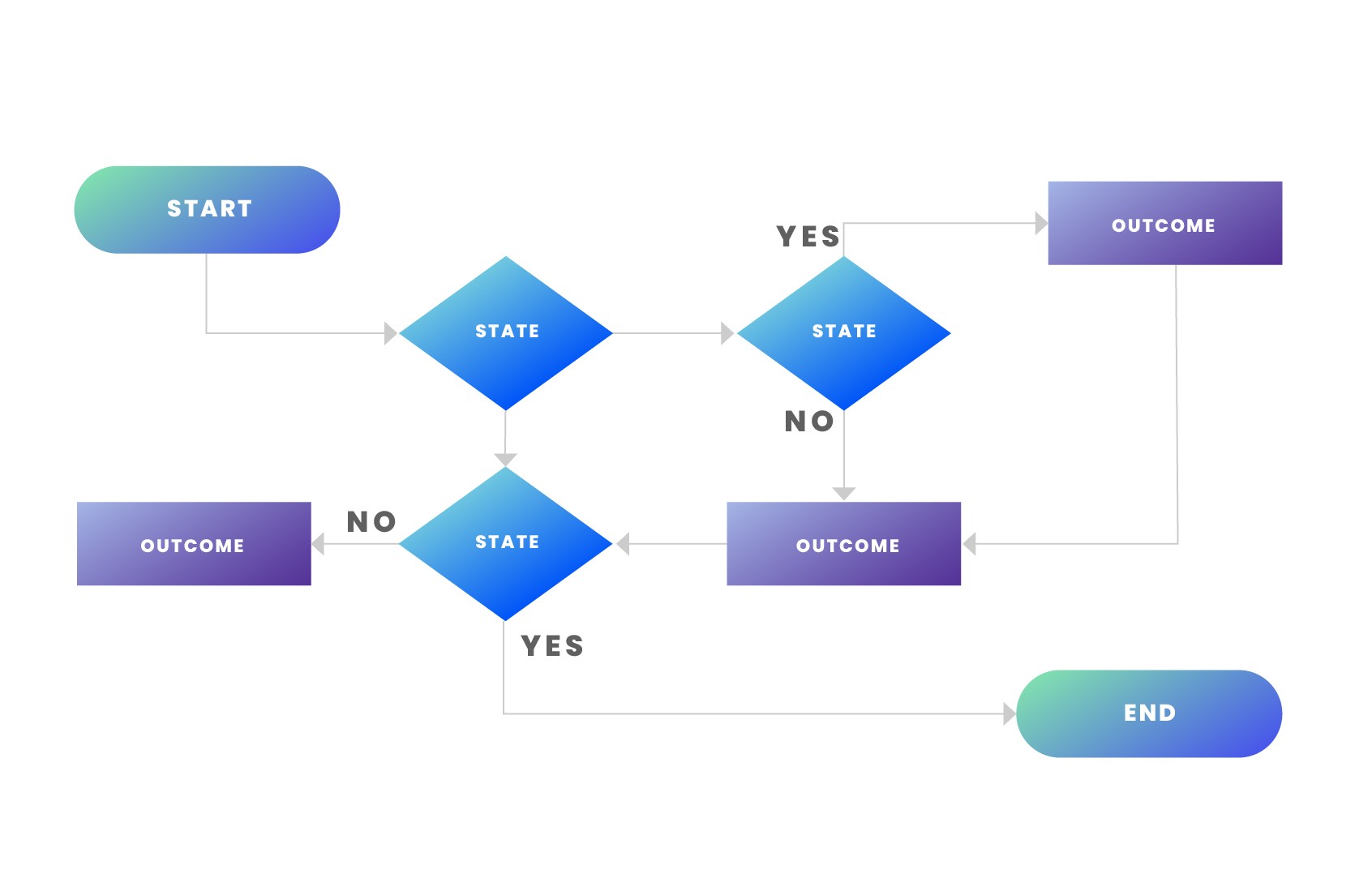
Wireframes from a no-code tool.

Anything visual reduces misunderstandings by 80 percent.
Developers love clarity more than polish.
And do not worry if it looks ugly. Ugly gets the message across.
Define What Is Critical vs What Is Optional
Teams slow down when they treat every idea as equally important.
Your job is to create contrast.
Critical means:
“If this is missing, the product does not solve the problem.”
Optional means:
“This would be nice, but we can ship without it.”
If you do not do this prioritization, your team will be forced to guess.
And guessing leads to overbuilding, delays, or misunderstandings.
Share Your Assumptions Openly
The biggest risks in early development are not technical.
They are unspoken assumptions.
Things you think are obvious but the team does not know.
For example:
“Users will invite teammates.”
“Payments need to be monthly and yearly.”
“Admins should see analytics.”
“This app must work offline.”
If these assumptions surface too late, the project timeline explodes.
A good practice is to create a simple list called:
“What I assume is true about how the product works.”
Your team will challenge the list, and that conversation alone can save weeks of rework.
Let the Team Ask Questions Early
A strong development team will ask you:
What happens when X fails?
What does the user expect here?
How do we measure success?
Is this part of the MVP or future?
If you feel overwhelmed by the questions, do not panic. It is actually a sign they are doing their job.
Your idea becomes sharper every time you answer.
Remember: Your Job Is Clarity, Not Technical Detail
You do not need to explain databases, frameworks, or APIs. You only need to explain intent. The development team’s job is to translate intent into architecture.
Your job is to give them:
👥 The users
❓ The problem
🔍 The outcome
👣 The journey
The non negotiable parts
That is enough for a good team to start drafting the solution.
Bringing It All Together
When you explain your idea well:
Development moves faster
Costs are lower because rework is reduced
You get more accurate timelines
The product ends up closer to your true vision
The first version does not need to be perfect. It just needs to be clear enough to move.
If you need help turning a raw idea into a buildable roadmap, our team at Wecraft Media will help you shape the vision, define the MVP, and build it with predictable delivery.